

 Eng
Eng 



What are the four types of metal stamping?
 2026.08.13
 業界のニュース
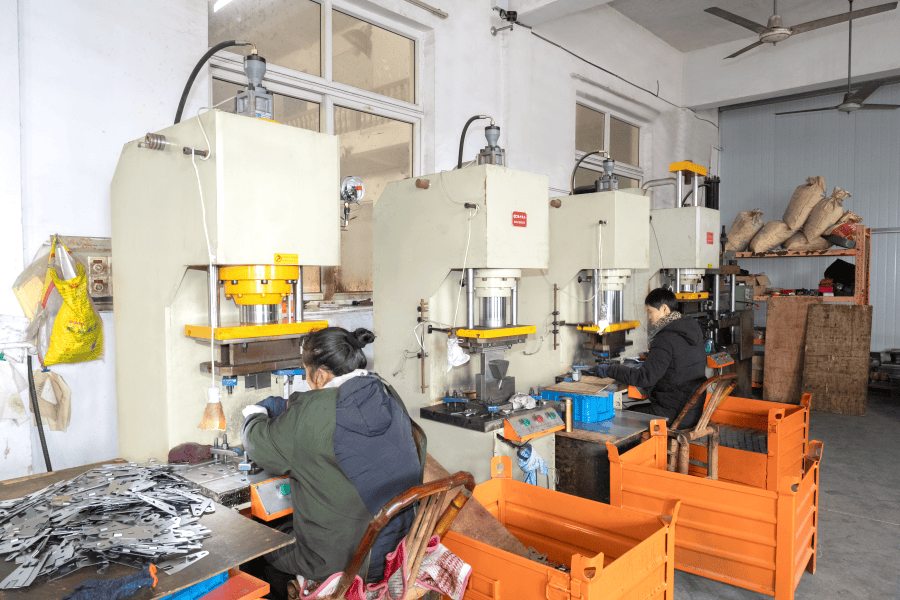
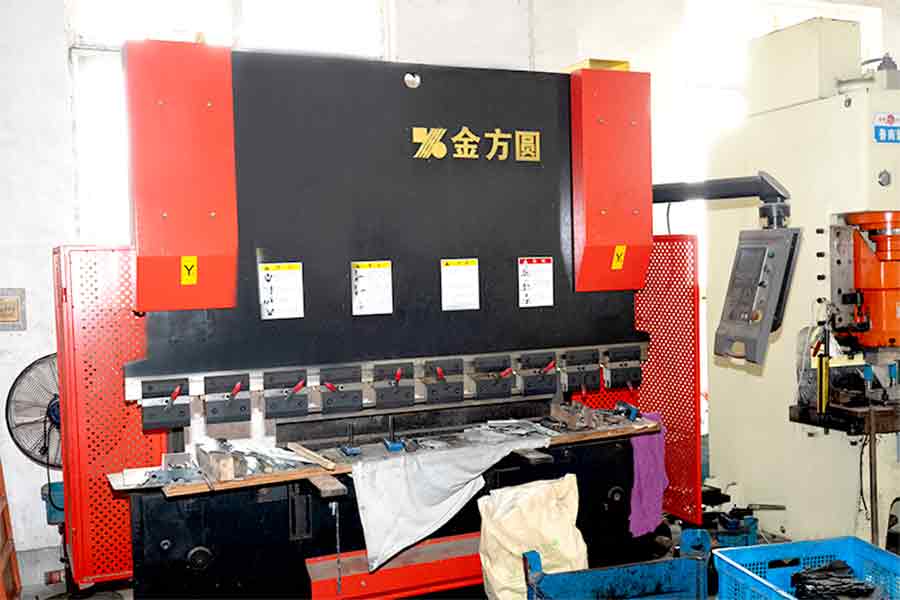
金属スタンピングは、現代の工業生産における基礎的な製造カテゴリーです。制御された機械的変形を通じて、平らな金属シートまたは連続コイル状金属ストリップを、精密に設計された 3 次元コンポーネントに変換します。製造施設が生産するとき 金属部品のプレス加工 、特殊なプレス機械、硬化鋼または超硬工具のダイス、および原材料の剪断、曲げ、圧印加工、絞り加工に正確な力を加えることを利用しています。この分野の中核となる構造のバリエーションを理解することで、エンジニア、生産管理者、コンポーネント設計者は、特定のプロジェクト要件に最適な製造方法を選択できるようになります。
工業用板金成形部門は、プログレッシブ ダイ スタンピング、深絞りスタンピング、トランスファー ダイ スタンピング、および 4 つのスライド スタンピングという 4 つの主要な製造方法論を中心としています。各方法は、異なる運用メカニズム、生産速度、ツール アーキテクチャ、および幾何学的機能を提供します。適切なプロセスを選択することは、コンポーネントの単価、スクラップ材料の発生、寸法精度、および長期的な生産スループットに影響を与えます。
金属プレス加工の産業概要
シート メタルの変換は、適用される応力が極限引張強度を超えることなく材料の降伏点を超える塑性変形原理に基づいています。冷間成形プレスは、構造化されたダイセットに数千キロニュートンの力を加えて、周囲温度で金属素材を成形します。このプロセスにより、一貫した粒子構造と再現可能な寸法を備えた耐久性のあるコンポーネントが得られます。
世界の製造現場は、自動車組立、航空宇宙システム、家庭用電化製品、医療機器製造、再生可能エネルギー機器、産業用ハードウェアなどの分野にわたるスタンピング金属部品に依存しています。原材料は、連続コイル、カットされたストリップ、事前にパンチされた個別のブランクなど、いくつかの形式でスタンピング システムに投入されます。材料の厚さは、1 ミリメートル未満の軽量のフォイルから 6 ミリメートルを超える重い構造プレートストックまで多岐にわたります。
プレス機械を駆動機構で分類すると、メカニカルクランクプレス、油圧プレス、サーボモータープレスなどがあります。機械プレスは、大量生産に最適な高い操作サイクル速度を実現します。油圧プレスはストローク全体にわたって一定のトン数を供給するため、深いストレッチ動作に適しています。サーボ プレスを使用すると、ストローク サイクル中のパンチの速度と位置を正確にプログラム可能に制御できるため、製造業者は複雑な構造形状に合わせて材料の流れを最適化できます。
金属部品のプレス加工における核となるエンジニアリング原則
板金成形を成功させるには、成形作業中の材料の挙動、工具の仕組み、および流体摩擦の管理を理解するかどうかにかかっています。
塑性変形と材料粒子流動
パンチが金属原料に接触すると、内部せん断力と引張力が結晶面に沿った原子の滑りを引き起こします。材料の変形は、永久的な塑性変形に移行する前に、弾性屈曲から始まります。主曲げ軸に対する結晶粒の配向を管理することで、曲げ半径の外側に沿った微小亀裂を防止します。一次曲げ線を板金コイルの圧延方向に対して垂直に揃えることで、構造の完全性と疲労耐久性が向上します。
ツーリング金型の設計とパンチ機構
スタンピングダイセットは、プレスラムに取り付けられた上部シューと、プレスボルスターベッドに取り付けられた下部シューで構成されます。ガイドポストは、上部パンチコンポーネントと下部ダイキャビティ間の位置合わせを、多くの場合マイクロメートル単位で測定される正確な公差内に維持します。空気硬化工具鋼またはタングステンカーバイドから作られたダイプレートは、数百万回のストロークサイクルにわたる激しい摩耗および凝着摩耗に耐えます。せん断パンチのエッジとダイのキャビティ壁の間のクリアランスは、バリの高さを最小限に抑えたきれいなせん断エッジを生成するために、材料の硬度と厚さに基づいて計算されます。
トライボロジーと摩擦管理
高い接触圧力により、工具鋼のダイスと生の金属表面の間の界面でかなりの摩擦熱が発生します。特殊な金属加工液は摩擦を軽減し、工具部品を冷却し、材料のかじりや金属のピックアップを防ぎます。水溶性合成流体は、高速の浅い成形作業中に効果的に機能しますが、極圧添加剤を含む強力な油ベースの潤滑剤は、厚肉絞り作業中に発生する激しい摩擦を管理します。
順送金型スタンピング
順送金型スタンピングは、連続金属コイルから小型から中型の部品を大量生産するために設計された高速自動製造アプローチを表します。
構造構成と供給シーケンス
順送金型スタンピングでは、連続金属コイルが電動アンコイラーから巻き出され、矯正ユニットを通過し、自動フィーダーに入ります。プレス機は金属ストリップをストロークごとに一定のピッチ長でダイスに送り込みます。原材料は、単一の一体化されたダイブロック内の複数の隣接するワークステーションキャビティを順次移動する際に、連続的なキャリアストリップに接続されたままになります。
プログレッシブ ダイ セット内の最初のステーションでは、一次ピアシングおよびノッチ付きカットアウト操作を実行して、内部穴フィーチャを確立し、外部部品の輪郭を定義します。パイロット ピンは後続のステーションで事前に開けられた基準穴に入り、上部パンチが下降する前にストリップの正確な位置決めを保証します。中間ステーションでは、曲げ、エンボス加工、コイニング、ランス加工などの二次成形操作を実行します。最終ステーションでは、完成した部品をキャリア ストリップから切り離し、完成した部品が排出シュートから排出されるようにします。
大量生産における主な運用上の利点
順送金型スタンピングにより、驚異的な加工効率が得られます。プレスは、部品の形状とプレスのトン数に応じて、毎分数十から数百のストロークの範囲の速度で動作します。単一ストローク内の異なるステーション間で複数の操作が同時に行われるため、各サイクルで 1 つ以上の完成したコンポーネントが供給されます。
自動供給機構がストリップの進行を継続的に監視するため、労働要件は低く抑えられます。ダイセット内のセンサーの統合により、ミスフィード、在庫のバックル、または部品排出の失敗が検出され、プレス機が即座に停止され、繊細な工具鋼パンチが壊滅的な衝撃損傷から保護されます。
理想的な幾何学的用途と材料の選択
順送金型ツールは、複雑な平面輪郭、複数の折り曲げられたフランジ、盛り上がった構造リブ、およびピアス穴パターンを特徴とする小型から中型のコンポーネントに適しています。一般的なコンポーネントには、電気端子、自動車センサー ブラケット、家電クリップ、リード フレーム、エンジン シム、および構造用コネクタが含まれます。
適切な材料には、冷間圧延炭素鋼、ステンレス鋼グレード、真鍮合金、リン青銅、および延性アルミニウム調質材が含まれます。ストックが重くなるとキャリアストリップをダイシーケンス内で前進させるのに必要な力が増加するため、材料の厚さは通常、ゼロから 2 ミリメートルから 3 ミリメートル以内に留まります。
工具のメンテナンスと摩耗要因
順送金型には、長い金型シュー全体に並べられた多数の複雑なパンチ インサートが含まれているため、初期の工具投資コストは依然として多額です。工具のメンテナンスには、個々のパンチ面とダイ ボタンを正確に研磨する必要があります。モジュラー金型構造により、技術者は工具アセンブリ全体を分解することなく、磨耗または損傷したステーションを取り外すことができるため、長時間の生産稼働中の機械のダウンタイムが削減されます。
深絞りスタンピング
深絞りスタンピングにより、平らな金属シートのブランクが、深さ寸法が横方向の開口部の最小幅と等しいかそれを超えるシームレスな中空の 3 次元形状に変換されます。
引張変形とブランクホルダーのダイナミクス
深絞りは、単純に浅く伸ばしたり曲げたりすることとは異なります。丸いまたは成形されたパンチがダイキャビティ内に下降すると、純粋な引張応力の下で金属が外側フランジ領域から成形ゾーンに引き込まれます。高い円周方向の圧縮応力によって周囲の円形フランジが座屈したり、放射状のしわが形成されたりするのを防ぐために、加圧されたブランク ホルダー リングがシートの外縁をダイ プレートの上面にクランプします。
ブランク ホルダー リングによって加えられる力は、正確な操作範囲内に収まらなければなりません。ブランクホルダーの圧力が不十分だと、拘束されていない金属フランジにしわが寄ってしまい、視覚的な欠陥やダイ詰まりの原因となる可能性があります。ブランクホルダーの圧力が過剰になると、ダイキャビティへの材料の流れが制限され、絞り加工されたコンテナの垂直側壁に沿って極度の引張応力が生じ、局所的な薄化や構造的な裂けが発生します。
薄肉化と材料フロー制御
描画シーケンス中に、材料は大幅な寸法変化を経験します。コンテナの底部は元のシートの厚さを維持しますが、垂直側壁は大幅に伸びて薄くなります。コンテナの床と垂直壁の間の半径はピーク引張応力を受けるため、材料のネッキングや破損が最も起こりやすい場所となります。
適切な延伸比を計算することが、プロセスの成功を左右します。縮小率は、初期ブランク直径と最終パンチ直径を比較します。単一の絞りストロークが特定の材料グレードの安全な変形制限を超える場合、製造業者は多段階の絞りシーケンスを実装します。再絞りステーションは、連続するプレス操作を通じてシリンダー全体の高さを増加させながら、シェルの直径を徐々に減少させます。
エンクロージャーのシリンダーおよびディープキャビティへの用途
深絞り技術は、溶接継手を使用せずに高い構造的完全性を必要とする、シームレスで漏れのない中空容器を製造します。深絞りスタンピングによって製造される代表的な製品には、自動車のオイル パン、燃料タンク、飲料容器、消火器本体、バッテリー エンクロージャ、医療用ポンプ ハウジング、圧縮ガス シリンダー、ステンレス鋼のキッチン シンクなどがあります。
高いひずみ硬化能力を備えた延性合金は、深絞り用途に優れています。深絞り品質のアルミニウム合金、低炭素絞り鋼グレード、銅、真鍮、およびオーステナイト系ステンレス鋼は、破壊することなく激しい塑性変形に耐えるのに必要な局所的な伸び能力を示します。
金型設計とシワ防止
深絞り工具には、パンチ先端とダイキャビティ入口リップの両方に十分な絞り半径が組み込まれています。鋭い角は局所的な応力を集中させ、材料の破損を加速させます。低い表面粗さ値を特徴とする研磨された絞りダイ表面は摩擦を低減し、ブランクホルダーに高い力がかかった状態でも材料の流れがスムーズになります。中間焼鈍熱処理は、複雑な多絞り加工中に実施され、後続の絞り工程の前に加工硬化応力を緩和し、材料の延性を回復します。
トランスファー金型スタンピング
トランスファー ダイ スタンピングでは、加工中に連続キャリア ストリップに取り付けたままにできない、大型、重量、または幾何学的に複雑な板金部品を処理します。
機械式搬送アームとステーションの分離
連続したコイルストックが接続されたステーションを通って前進する順送金型システムとは異なり、トランスファー金型スタンピングプロセスでは個々の金属ブランクが分離されます。原材料はプレカットされた平らなブランクとしてプレスに入るか、最初のステーションでコイルから直接打ち抜かれます。分離されると、個々の部品は、真空カップ、磁気グリッパー、または機械式フィンガーを備えた同期機械式搬送レールを介してステーションからステーションへ移動します。
機械的搬送機構は、個々の部品を持ち上げ、前進させ、下降させ、プレス ベッドに沿って配置された個々のダイ ステーションに配置します。各ステーションには独立したダイ ブロックが収容されているため、ストローク間で部品を上昇、回転、または方向変更することができ、拘束されたプログレッシブ キャリア ストリップ内では不可能な複雑な 3 次元操作が可能になります。
大型で複雑な金属部品の加工
Transfer die processes accommodate large structural components whose weight or dimensions render continuous strip feeding impractical. Removing the carrier strip eliminates the risk of strip distortion or feed jamming during heavy forming strokes.
Because individual stations function independently, transfer presses exert massive total tonnages across wide bolster areas. Fabricators utilize transfer stamping for structural automotive body panels, chassis cross members, appliance cabinet shells, heavy machinery enclosures, and large structural brackets.
Freedom of Part Orientation and Secondary Operations
The separation of individual workpieces unlocks significant geometric design flexibility. Mechanical transfer systems can tilt a component between stations to allow side piercing, angled cam trimming, reverse flanging, or bottom coining without requiring complex multi axis die mechanisms inside a single station.
Furthermore, secondary hardware insertion can be integrated directly into the transfer press sequence. Threaded studs, nuts, and bushings can be automatically pressed into punched holes at intermediate transfer stations, delivering fully assembled structural parts directly off the press line.
Cost Parameters for Medium and Large Parts
Transfer die tooling requires substantial capital investment due to the large size of individual die blocks and the mechanical complexity of transfer automation systems. However, material efficiency stays high. By using pre cut tailored blanks or optimized blanking dies upfront, raw material scrap generation remains significantly lower than progressive die layouts that require continuous carrier web borders.
Four Slide Stamping
Four slide stamping, also referenced as multislide forming, is a specialized metalworking process that operates outside traditional vertical press parameters to shape intricate wire and narrow metallic strip stock.
Multi Directional Forming Capabilities
Traditional press systems deliver vertical impact force along a single axis perpendicular to the press bolster. Four slide machines utilize a horizontal layout featuring four orthogonal slide shafts mounted ninety degrees apart around a central vertical forming mandrel. Cams, gears, or servo actuators drive four distinct tool slides, enabling them to strike the raw material from four different horizontal directions in a synchronized timing sequence.
Raw strip or wire stock feeds horizontally into the machine center, where a primary mechanism cuts the material to accurate length. The four surrounding tool slides then advance sequentially or simultaneously, wrapping the metal around the central mandrel to create complex loops, reverse bends, closed rings, and intricate folds.
High Precision Bending for Complex Wire and Strip Shapes
The orthogonal orientation of four slide tooling allows complete three dimensional manipulation of narrow metallic strips and solid wires. Form slide movements can be timed to execute intricate folding operations that would require complex cam driven sub assemblies inside standard vertical stamping dies.
Because tools approach the workpiece from four independent quadrants, components with closed cylindrical loops or interlocking tabs can be formed smoothly around the central mandrel. Once forming operations conclude, the central mandrel retracts or an ejector pin strips the finished component away, dropping it into a collection hopper.
Operational Efficiency for Small Intricate Components
Four slide manufacturing delivers exceptional processing speeds for small intricate components, frequently achieving production rates ranging from eighty to over three hundred pieces per minute. The process demonstrates high material efficiency because initial stock width equals the exact finished width of the component, eliminating side scrap trimming.
Common items manufactured on four slide machinery include spring clips, electronic connector contacts, retaining rings, surgical clips, battery terminals, wire handles, and complex optical frame brackets.
Reduced Tooling Costs and Setup Flexibility
Four slide tooling blocks are significantly smaller and less costly to fabricate than large progressive die sets. Tooling engineers adjust forming sequences by altering cam timing disks or reprogramming servo motion profiles rather than remachining heavy tool steel plates. This flexibility lowers initial tooling investment, making four slide forming accessible for medium production volumes as well as high volume manufacturing runs.
Comprehensive Comparison of Primary Stamping Processes
Choosing the appropriate manufacturing methodology requires evaluating production volumes, geometry, material utilization, and tooling budget limits. The following comparison highlights key operational characteristics across all four primary metal stamping types.
Trade Off Analysis: Tooling Cost Versus Unit Output
High initial tooling expenditures inherent to progressive and transfer die systems are amortized over long production runs containing hundreds of thousands or millions of parts. For smaller production runs, the lower initial tooling entry threshold of four slide systems or simplified modular tooling provides a more economical path to production despite slightly lower overall line speeds.
Trade Off Analysis: Material Efficiency and Scrap Control
Raw material cost represents a substantial portion of total component expense in sheet metal fabrication. Progressive dies retain web borders to transport parts, which increases material waste. Transfer dies and four slide machines optimize raw blank dimensions, minimizing trim scrap and reducing overall component material costs over the product lifecycle.
Critical Engineering Selection Criteria for Stamping Metal Parts
Selecting the correct stamping methodology requires thorough evaluation of structural, mechanical, and economic parameters prior to final tooling construction.
Production Volume Demands and Amortization
Project volume strongly influences process selection. High volume automotive or consumer electronics contracts justify high capital expenditures for complex progressive or transfer tooling dies because low cycle times and reduced labor content yield low cost per unit over time. Conversely, low or moderate volume contracts favor processes with lower tooling entry barriers to avoid excessive upfront capital drag.
Geometric Complexity and Feature Location
Part geometry dictates mechanical movement requirements. Flat components featuring internal punch holes, simple lance tabs, and shallow flanges align perfectly with progressive die capabilities. Deep hollow shapes require the controlled metal drawing mechanics of deep draw presses. Multi axial wire shapes or intricate closed loops with overlapping bends point directly toward four slide manufacturing platforms.
Material Ductility and Grain Direction Orientation
Material mechanical properties determine allowable deformation severity. High strength low alloy steels exhibit higher yield strength and pronounced springback, requiring specialized coining or overbending stations within die sets. Soft copper and aluminum alloys accommodate severe plastic deformation easily but require gentle handling to prevent surface marring. Aligning major bend lines perpendicular to sheet rolling grain direction prevents premature material cracking across tight bend radii.
Secondary Operations and Assembly Integration
Integrating secondary operations inside the primary press line dramatically reduces overall manufacturing lead time. Progressive and transfer die systems can incorporate inline tapping modules to cut internal screw threads, insert clinch fasteners, or apply optical vision verification checks during the press stroke, delivering complete ready to ship components directly from the press bed.
Quality Control Protocols in Metal Stamping Operations
Maintaining high dimensional quality across massive production volumes requires robust quality control protocols, real time process monitoring, and systematic die maintenance programs.
In Process Sensor Monitoring and Tonnage Protection
Modern stamping presses utilize piezoelectric tonnage sensors mounted on press frames and die shoes to measure real time force curves during every stroke. Deviation from baseline force profiles alerts operators to material thickness variations, slug pulling problems, tool punch breakage, or inadequate die lubrication. In die vision sensors verify part ejection and hole placement before the press ram descends for the next cycle, preventing expensive die crash damage.
Dimensional Accuracy Verification and Coordinate Measurement
Quality assurance teams conduct periodic dimensional inspections using automated Coordinate Measuring Machines, optical shadowgraphs, and laser scanning systems. Key features such as hole location centerlines, flange angles, burr heights, and profile tolerances are tracked using Statistical Process Control charts to detect dimensional drift before parts fall outside engineering drawing specifications.
Common Stamping Defect Mitigation Strategies
Preventing component defects requires continuous monitoring of raw material quality and die wear patterns.
-
Springback Control: Metal naturally flexes backward slightly after punch release due to residual elastic stress. Tooling engineers incorporate localized stress relief features, bottom coining punches, or calculated overbending angles inside die cavities to compensate for material springback.
-
Burr Height Reduction: Punching and blanking operations create micro burrs along sheared edges as tool steel cutting edges dull. Maintaining precise punch to die clearances and establishing scheduled punch sharpening routines keeps burr heights well within allowable engineering limits.
-
Galling and Surface Scoring Prevention: Excessive friction during heavy forming causes local material transfer from raw sheet stock to tool steel surfaces. Applying advanced PVD tool coatings like titanium nitride alongside high performance lubricants prevents surface scoring and extends die life across demanding production schedules.

 Company Profile
 +86-189-57809418
 Zouxi Village, Tangxi Town, Yinzhou District, Ningbo City, Zhejiang Province, China
著作権 © Ningbo Mingli Electric Technology Co.、Ltd。 All rights reserved.
